Source Self-Adhesive Adjustable Webbing Strap for Outdoor Gear
Find and compare 30 self-adhesive adjustable webbing strap options from verified suppliers. Evaluate features like high tenacity, eco-friendly materials, and custom widths to match your specific packaging, agriculture, or outdoor gear requirements efficiently.
Key considerations
Products List


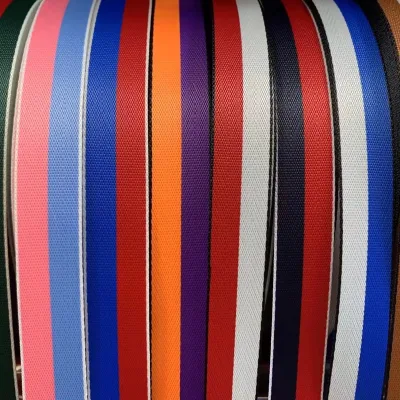
Factory Wholesale 38mm Eco-Friendly Elastic Webbing Elastic Straps Rubber Bands
$0.13 - $0.17
MOQ: 1000 Meters




Comprehensive Sourcing Guide
Self-Adhesive Adjustable Webbing Strap Sourcing Guide
Sourcing self-adhesive adjustable webbing straps requires a nuanced understanding of material science, adhesive chemistry, and manufacturing tolerances. These components are critical in applications ranging from outdoor gear and packaging to agricultural equipment and specialized apparel. Buyers must navigate a market where "webbing" and "belt" are often used interchangeably, yet the functional requirements for self-adhesive variants differ significantly from standard woven straps. The core challenge lies in ensuring that the adhesive bond withstands environmental stressors while the webbing substrate maintains its structural integrity under tension. This guide provides a structured approach to evaluating suppliers, verifying technical specifications, and managing commercial risks associated with this specialized product category.
The procurement process for these items is heavily influenced by customization capabilities and minimum order quantities (MOQs). Suppliers often offer OEM services, allowing for tailored widths, thicknesses, and patterns to meet specific design constraints. However, the presence of self-adhesive properties introduces additional complexity regarding shelf life, storage conditions, and application surface preparation. Buyers must distinguish between generic woven straps and those specifically engineered with adhesive backing, as the latter requires rigorous quality control to prevent delamination or adhesive failure. Understanding these distinctions is essential for aligning supplier capabilities with end-use requirements.
Product Scope and Observed Listing Signals
The observed market signals indicate a diverse range of products categorized under webbing and belts, with model numbers such as Ydzd-2810, Ydzd-2838, and Ydzd-2337 representing various configurations. These listings highlight attributes like "Eco-Friendly," "High Tenacity," and "Elastic" features, suggesting that suppliers cater to markets requiring both durability and flexibility. The presence of customized logo acceptance and pattern options points to a strong emphasis on branding and aesthetic customization, which is common in consumer-facing products like apparel and outdoor gear. Buyers should note that while many listings offer customization, the specific inclusion of self-adhesive properties may vary and requires explicit verification during the inquiry phase.
Material composition is a critical differentiator among the observed listings, with options including 100% Polyester, Polyester/Nylon blends, and PP (Polypropylene). Each material offers distinct advantages: polyester provides high strength and low stretch, nylon offers elasticity and abrasion resistance, and PP is lightweight and cost-effective but less durable under UV exposure. The observed thickness ranges from 1mm to 2mm or customized options, which directly impacts the strap's load-bearing capacity and flexibility. Additionally, widths are often customizable, with standard sizes like 3/4 inch appearing in some listings, but buyers must confirm that the adhesive backing is compatible with the chosen material and thickness combination.
Technical Specifications to Verify
When evaluating technical specifications, buyers must prioritize the verification of adhesive type and bond strength, as these are not always explicitly detailed in standard product listings. The core keyword implies a self-adhesive mechanism, which could range from pressure-sensitive adhesives to hot-melt or acrylic-based bonds. Each type has different performance characteristics regarding temperature resistance, humidity tolerance, and initial tack. Buyers should request detailed technical data sheets that specify the adhesive's shear strength, peel strength, and recommended surface preparation methods. Without this information, there is a significant risk of selecting a strap that fails under operational conditions, particularly in dynamic or high-stress environments.
Material properties and dimensional tolerances are equally critical for ensuring product performance. The observed listings mention "High Strength" and "High Tenacity" as key features, but these terms are subjective without quantitative backing. Buyers should verify the tensile strength, elongation at break, and colorfastness of the webbing material. Furthermore, the customization options for width and thickness must be aligned with the adhesive's coverage area. For instance, a wider strap may require a broader adhesive strip to ensure uniform bonding, while a thinner strap might need a more aggressive adhesive to compensate for reduced surface area. Confirming these details with the supplier prevents mismatches between the webbing's physical properties and the adhesive's performance capabilities.
Compliance and Safety Documentation
Compliance and safety documentation are essential for ensuring that self-adhesive webbing straps meet regulatory requirements in target markets. While the observed listings mention certifications such as CE and ISO9001, these typically apply to the manufacturing process or specific product lines rather than the adhesive's safety profile. Buyers must verify that the adhesive materials comply with relevant chemical regulations, such as REACH in Europe or CPSIA in the United States, particularly if the product is intended for consumer use or contact with skin. The absence of specific chemical compliance data in standard listings necessitates proactive inquiry to avoid regulatory hurdles and potential product recalls.
Environmental and sustainability claims also require careful scrutiny. The "Eco-Friendly" attribute observed in some listings is vague and lacks specific certification backing. Buyers should request evidence of sustainable sourcing, such as recycled content percentages or biodegradability certifications, if environmental impact is a key procurement criterion. Additionally, the production standards, such as ISO9001, indicate a commitment to quality management but do not guarantee the environmental safety of the adhesive. Verifying these aspects ensures that the procurement aligns with corporate sustainability goals and avoids reputational risks associated with unsubstantiated green claims.
Cost Drivers and Commercial Terms
Cost drivers for self-adhesive webbing straps include material selection, adhesive complexity, and customization levels. The use of premium materials like high-tenacity polyester or nylon blends increases the base cost, while the addition of specialized adhesives adds further expense. Customization options, such as specific widths, thicknesses, and printed patterns, also contribute to higher unit prices due to setup costs and reduced production efficiency. Buyers should analyze the total cost of ownership, considering factors like adhesive performance and durability, rather than focusing solely on the unit price. The observed price range of $0.08 to $15 USD reflects this variability, with higher prices likely corresponding to more complex or high-performance products.
Commercial terms, including MOQs and lead times, significantly impact procurement planning. The observed MOQs range from 50 to 3000 units, with some listings specifying 1000 meters or pieces, indicating that suppliers cater to both small-scale and large-volume buyers. Lead times of 7 to 15 days for standard orders and up to 30 days for customized or larger orders require careful inventory management. Buyers should negotiate clear terms regarding sample availability, as free samples are offered by some suppliers, allowing for preliminary testing before committing to large orders. Understanding these commercial dynamics helps in balancing cost efficiency with supply chain reliability.
Supplier Qualification and Quality Control
Supplier qualification is a critical step in mitigating risks associated with self-adhesive webbing straps. Buyers should assess suppliers' manufacturing capabilities, including their experience with adhesive application and quality control processes. The presence of OEM services and customization options suggests that many suppliers are flexible, but buyers must verify their ability to maintain consistency across production batches. Requesting references or case studies from similar industries, such as outdoor gear or packaging, can provide insights into the supplier's reliability and product performance. Additionally, verifying the supplier's adherence to ISO9001 standards ensures a baseline level of quality management.
Quality control measures should be explicitly defined in the procurement agreement. Buyers should establish clear acceptance criteria for adhesive bond strength, material tensile strength, and dimensional accuracy. Implementing pre-shipment inspections or third-party quality audits can help identify defects before products leave the factory. The observed packing methods, such as poly-bag + carton or roll packaging, should be evaluated for their ability to protect the adhesive surface from contamination or damage during transit. Establishing robust quality control protocols ensures that the final product meets the specified performance requirements and reduces the risk of post-delivery issues.
Long-Term Procurement Checks
Long-term procurement checks involve monitoring supplier performance and product reliability over time. Buyers should track key performance indicators such as defect rates, delivery consistency, and responsiveness to quality issues. Regular audits of the supplier's quality management system can help identify areas for improvement and ensure ongoing compliance with agreed-upon standards. Additionally, staying informed about advancements in adhesive technology and material science can provide opportunities for cost savings or performance enhancements. Engaging in continuous dialogue with suppliers fosters a collaborative relationship that can lead to better product solutions and more favorable commercial terms.
Market trends and regulatory changes also impact long-term procurement strategies. Buyers should remain vigilant about shifts in consumer preferences, such as increased demand for eco-friendly materials, and adjust their sourcing strategies accordingly. Monitoring regulatory developments related to chemical safety and environmental sustainability ensures that the procurement remains compliant and aligned with corporate values. By maintaining a proactive approach to supplier management and market analysis, buyers can secure a reliable supply of high-quality self-adhesive webbing straps that meet their evolving business needs.
FAQs
What customization options are available for webbing straps?
Customization is available for color, logo, pattern, width, and thickness. Buyers can request specific dimensions and branding details to match their product requirements without needing a standard template.
How long does it take to receive samples?
Samples are provided free of charge and typically take 1 to 3 working days to prepare. This allows buyers to verify quality and specifications before committing to a larger production order.
What is the minimum order quantity for webbing products?
The minimum order quantity varies by product type, ranging from 1000 meters to 3000 units. Specific models like Ydzd-2810 require 1000 meters, while belt items may start at 1000 pieces.
Can I get OEM services for my webbing strap design?
Yes, OEM service is accepted for custom designs and branding. Manufacturers support logo customization and specific production requirements to ensure the final product aligns with your brand identity.
What materials are used to make these webbing straps?
Materials include 100% polyester, polyester nylon blends, and PP. These materials ensure high tenacity and strength suitable for various applications ranging from agriculture to outdoor gear.
How is the product packed for shipment?
Products are packed in poly-bags with cartons or individual boxes depending on the item. Some rolls are packed specifically for transport, ensuring the webbing remains secure during delivery.
What is the standard delivery time for orders?
Standard delivery time ranges from 7 to 15 days for most orders. Some specific items or larger volumes may require up to 30 days to complete production and shipping processes.